Join Us at


Las Vegas
Mar 31

Earn up to 3
AIA HSW CEUs
Facades+ Las Vegas at Coverings 2026
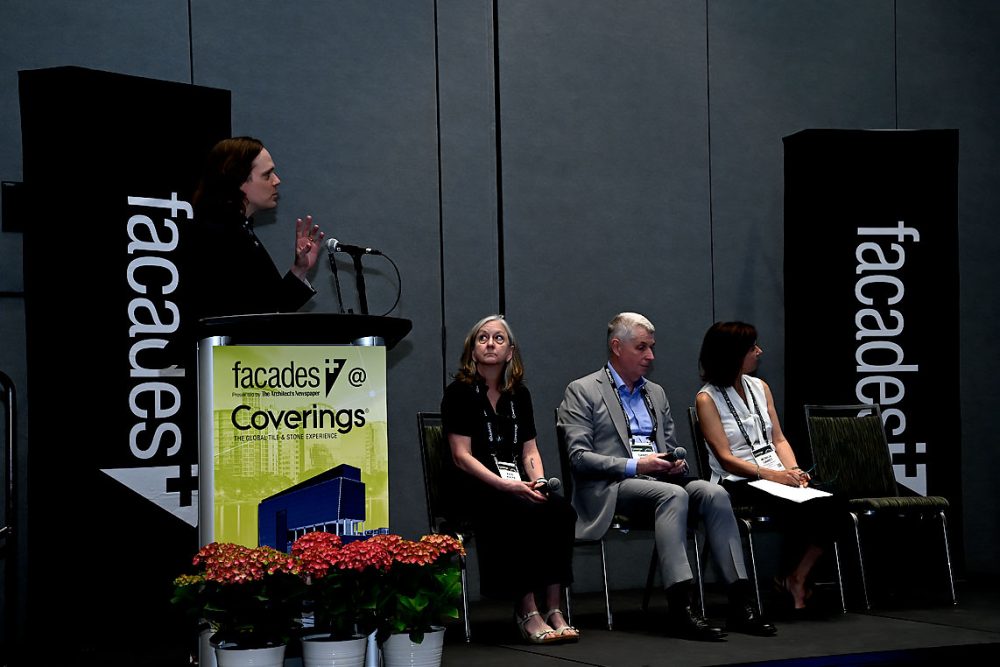
The Architect’s Newspaper brings a special edition of Facades+ to Coverings 2026 in Las Vegas. Taking place on Tuesday, March 31, this half-day program features design case studies and educational sessions led by leading architects, engineers, and contractors (AEC), with a focus on the latest advancements in façade technology, materials, and best practices. Attendees can earn three AIA HSW credits, learn directly from AEC experts, and enjoy full access to the Coverings show floor.
Your Ticket to Facades+ Las Vegas includes:
- Learning from leading designers & technical experts
- 3 Continuing Education Units
- Coffee and Snacks
- Peer Networking
- Lunch and Drink Tickets redeemable in the expo pavilions after the program.
- Access to ALL 3 Days of the COVERINGS Expo
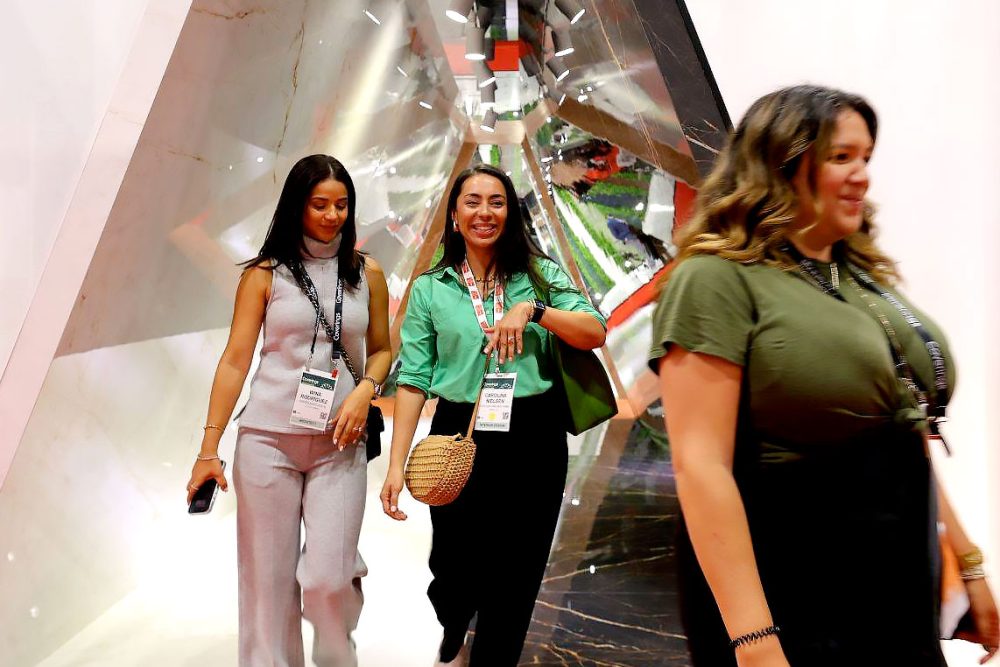
Coverings is The Global Tile & Stone Experience
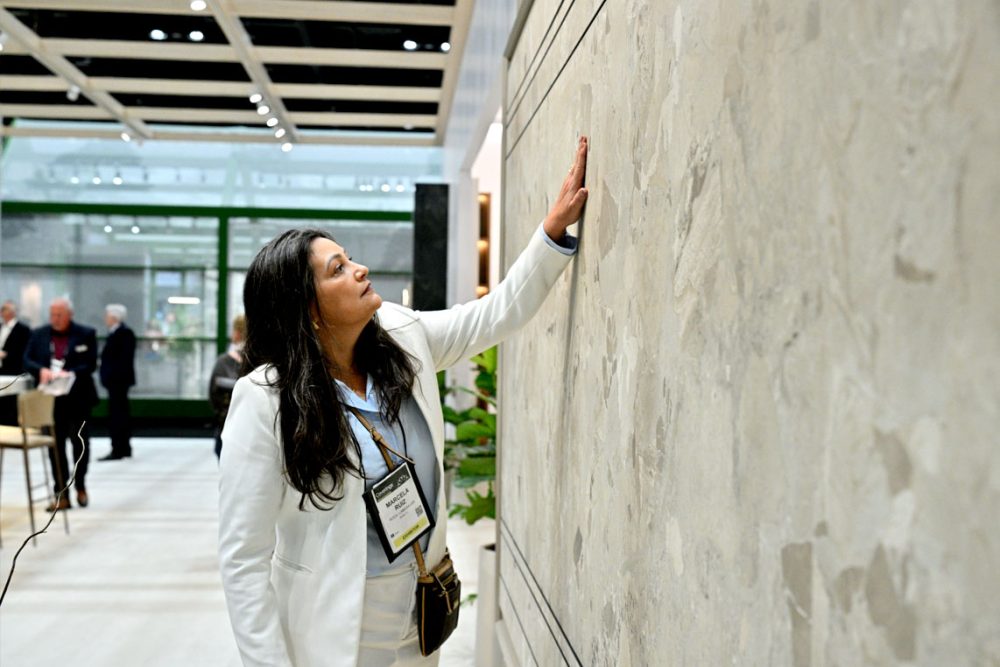
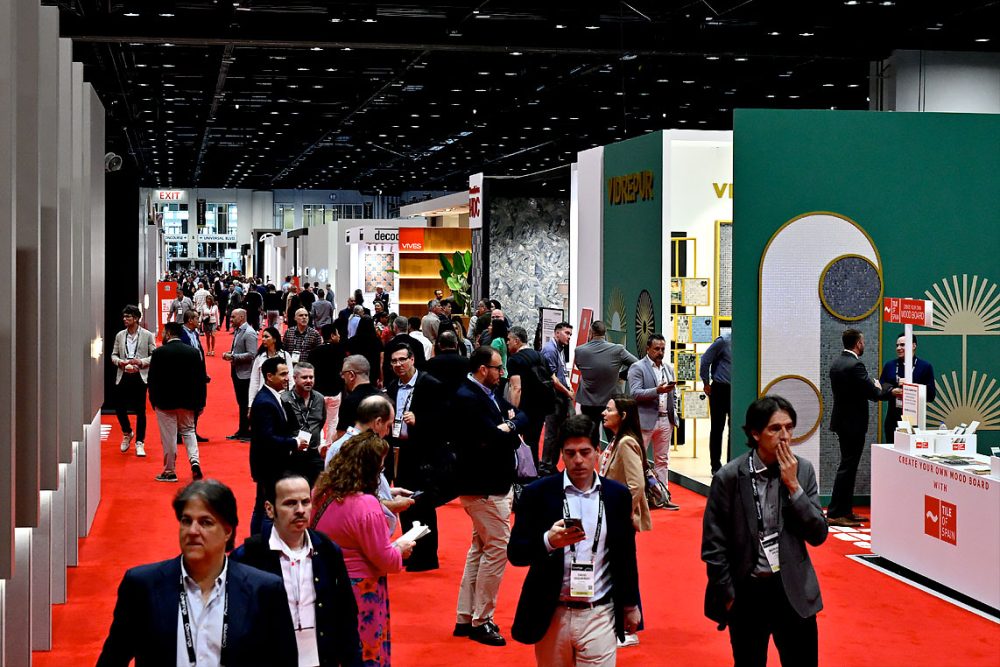
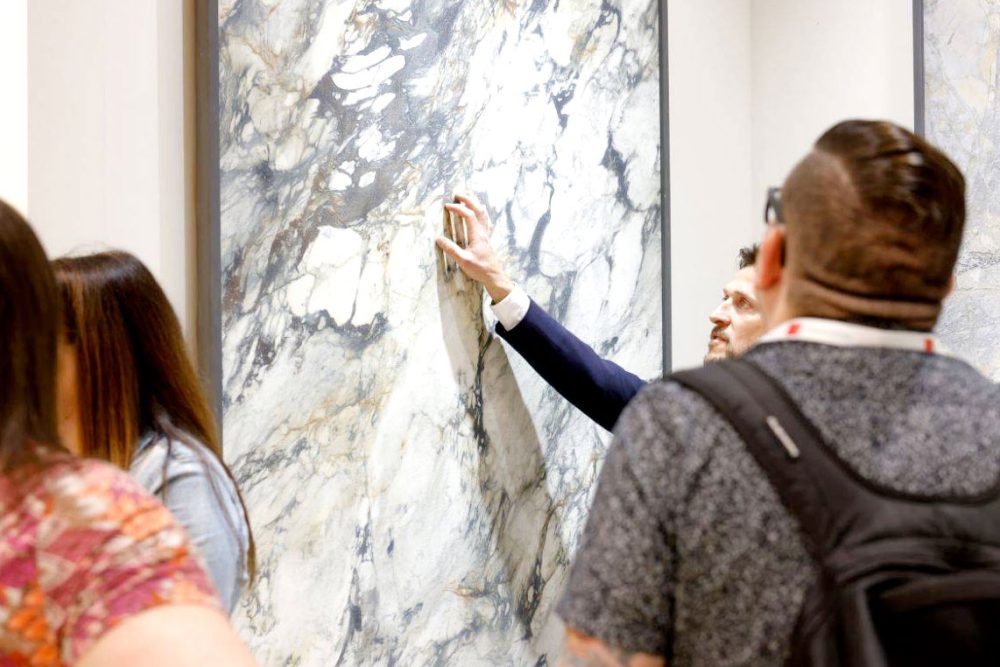
Coverings is the largest and most significant ceramic tile and natural stone conference and exhibition in the U.S. and North America. Held in Las Vegas, Coverings 2026 will feature 1,100 global exhibitors from 40 countries and will set the stage for introducing some of the world’s most innovative tile and stone products. Attending Facades+ includes access to ALL 3 days of Coverings. Learn More
Save Your Seat. Spaces Limited
EARN 3 AIA HSW CREDITS

Featured Speakers
Agenda
Symposium
Tuesday March 31
Times in PST
8:30 – 9:00 AM
9:00 – 9:05 AM

9:05 – 9:10 AM
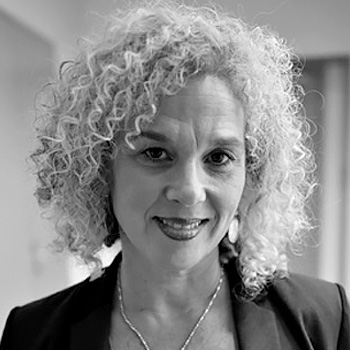
Alena Capra will offer a very special welcome and orientation to Coverings and the resources and expertise that it offers.

9:10 AM – 10:00 AM

10:00 AM – 11:00 AM
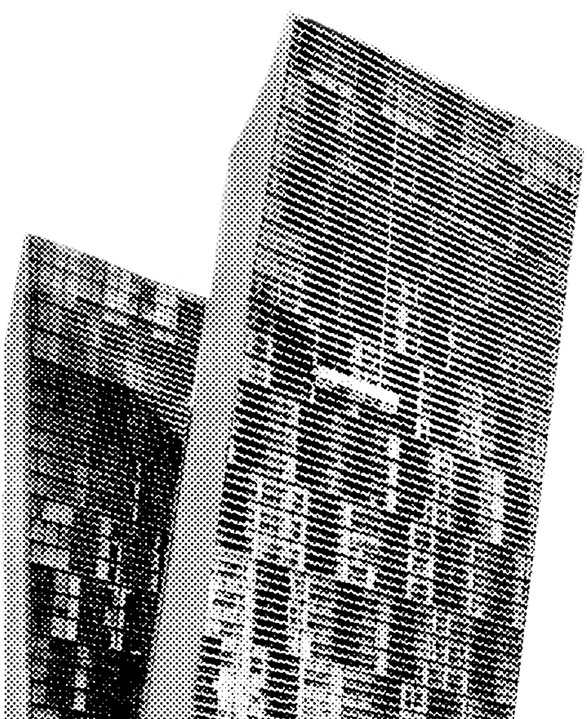
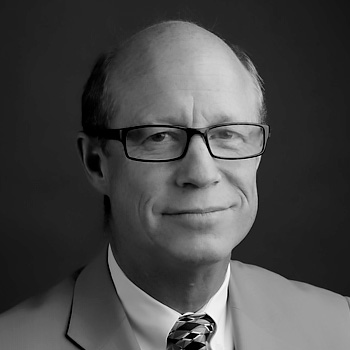
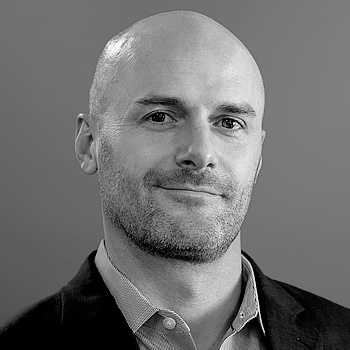
John Kuchen (SOM) and Justin Russel (Enclos) will share the details on the design and engineering of One Steuart Lane in San Francisco. The facade is composed of an elegantly proportioned, shifting grid of roman travertine pilasters and lintels. The depth of the stone grid gives the building an appearance of solidity when viewed obliquely, while preserving views from within the units. Presenters will explore the complexities of working with travertine in this application, the coordination required and lessons learned on this project.
11:00 – 11:30 AM
11:30 – 12:00 PM
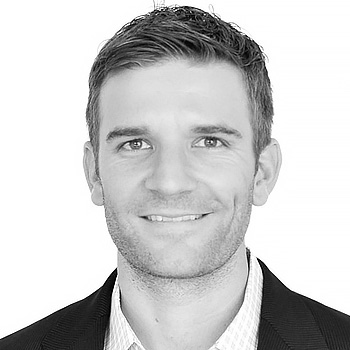
Jeffrey Dreesman (Perkins&Will) will share the story of Kaiser Permanente Watts Medical Offices and Counseling and Learning Center, a project that expands equitable access to healthcare while celebrating the rich culture of Los Angeles’ Watts neighborhood. Designers worked with the community to created a vibrant mosaic tile mural as a part of their multi-material facade strategy. The mural, which wraps the CLC preschool, celebrates a local farmers’ market that originated at this site. The original artwork created for the mural was translated to facade scale, while maintaining accurate tile dimensions, using Rhino3D and a custom Grasshopper script. This presentation of the project will be followed by a detailed walkthrough of the mural design process and computational tools used to create it and explore how community identity and design empathy came together in this wonderfully colorful project.

12:00 – 1:00 PM
Adhered masonry veneer “systems” have been in the construction market for decades as a way to provide the aesthetics of natural stone at a fraction of the cost while avoiding the more robust structure necessary to support authentic stone masonry. These early installations included many varieties of natural stone as well as simulated stone (i.e. cast stone) paired with adhesive mortars generally intended for more conventional masonry applications, as untested systems. As a design element, adhered masonry veneer was largely associated with low-rise residential and retail construction where risk associated with failure was low; however, more recently it has been used in increasingly large and complex commercial and institutional applications and has evolved to include proprietary products from an ever-lengthening list of vendors. The success of these systems over the years is mixed, and the consequence of failure increasingly significant in terms of public safety and cost. As the popularity of adhered masonry veneer has expanded, authorities having jurisdiction and organizations responsible for their safe design and construction have responded by trying to catch up to the industry. Drawing on WJE’s experience investigating adhered veneer failures, Mr. Matthew Farmer and Ms. Leah Ruther will use case studies to define critical adhered veneer system components, and discuss common failure mechanisms related to installation, materials, and design. They will also untangle the recent changes in code requirements and new standards intended to provide consistency in adhered veneer applications and limit future failures.


Testimonials

Big thank you to AN’s Facades + Boston and industry partners for an inspirational day packed with inspiring stories, projects, and design excellence for reuse, resilience, health, sustainability, performance, renewal, and community!
I had the pleasure of participating in a panel at Facades+ focused on sustainability and real estate development. The conference provided a unique platform to exchange ideas and insights beyond the traditional architectural perspective. I truly valued the opportunity to learn from the diverse array of professionals present.

This year’s Facades+ LA event was impressive. It was a gathering of people seeking knowledge about the integration of environmental excellence in our industry and the work we need to do. Congratulations on the Facades + team and their efforts at putting together an amazing event.

Facades+ LA has been an invaluable platform fostering a network of facade and sustainability-minded professionals, offering unparalleled insights and strategies that elevate our collective commitment to environmentally-conscious and inspiring building envelopes.

Facades + NYC was a great day filled with engaging discussions and presentations. The keynote on carbon reduction and regenerative design was insightful and a wake-up-call to the architecture profession on the environmental and social impact of our work. Facades+ delivers transformative ideas for the profession.

Facades+ is a great event and the presentations are always very informative. This is my second year attending and I learned something meaningful on both occasions.
Facades+ continues to be the premier event for architects with interesting product showcases and well curated lectures by leaders in the industry!

The FACADES+ conference offers architectural participants at all levels of experience great opportunities. Recent graduates learn from experts and develop a basic understanding of facade issues to share with their colleagues. Seasoned professionals contribute to the development of a richer facade design vocabulary within the profession.

Over the past 12 years, Facades+ has evolved into a vital voice within the facades industry. Facades+ continues to provide a much needed forum for facade geeks and created a vibrant community we so desperately needed.
Presented By

Industry Partners